
The Essence of DePaul Football
When it comes to college football, every program faces the inevitable challenge of competing against big-name rivals. In this realm of intense competition, DePaul football shines as a testament to perseverance, strategy, and resilience. The DePaul Blue Demons possess a rich history and continually evolve their approach to prepare for formidable opponents. This article explores the various strategies and preparations that DePaul football employs to confront and overcome their biggest challenges on the field.
As fans and analysts alike take interest in college sports, understanding how teams like DePaul chart their course against well-known rivals provides deeper insight into the essence of college football. By examining the multifaceted approach taken by the DePaul football program, we can appreciate the nuances that contribute to their performance and success. Ultimately, the preparation involved in facing big-name rivals is crucial to the ongoing legacy of DePaul football.
Physical Conditioning: Building Strength and Agility
Importance of Physical Conditioning
First and foremost, physical conditioning is a cornerstone of preparation for any athletic team, and DePaul football is no exception. The rigorous training regimens designed for players not only focus on building strength but also emphasize agility and endurance.
- Strength Training:
- Strength training is integral to building muscle mass and enhancing overall power. DePaul coaches implement a variety of weight lifting and resistance exercises, tailored to address specific player needs. Players can expect a regimen that includes deadlifts, squats, and bench presses.
- Agility Drills:
- In addition to strength training, agility drills are integrated into daily practices. These drills, such as ladder exercises, cone drills, and hurdle jumps, focus on enhancing players’ speed and quickness. Agility is critical for executing complex plays and evading defenders during fast-paced game situations.
Conditioning Regimens Throughout the Season
To ensure that athletes peak at the right time, DePaul football adopts progressive conditioning regimens throughout the season.
- Off-season Programs:
- During the off-season, the emphasis is on building a solid physical foundation. Players engage in a comprehensive strength and conditioning program, often supplemented with cardiovascular workouts to increase stamina. Coaches guide players in setting personal and team goals for muscle gain, endurance, and overall fitness.
- In-Season Maintenance:
- Once the season begins, conditioning shifts into maintenance mode, with an adjusted focus on sustaining strength and agility. Regular check-ins and measurements track players’ fitness levels, informing whether schedule adjustments or specific conditioning sessions are necessary. This approach ensures that players maintain their hard-earned fitness while avoiding burnout and injury.
Through dedicated conditioning, DePaul football players can withstand the rigors of high-stakes games against established rivals. Moreover, by instilling a culture of fitness and resilience, the program prepares the athletes both physically and mentally for the challenges ahead.
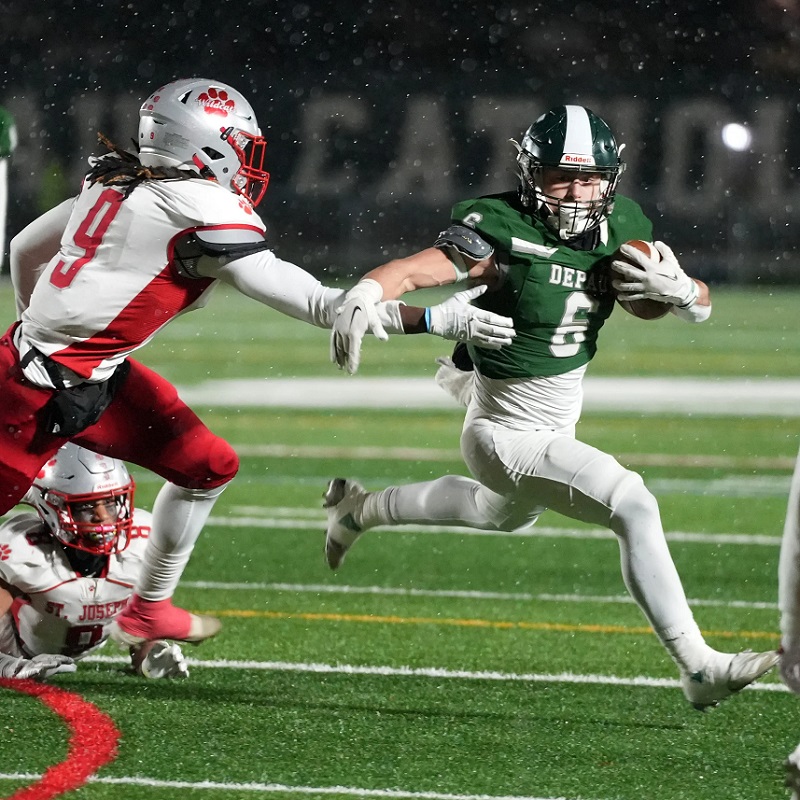
Tactical Preparation: Game Planning Against Rivals
Analyzing Opponents
Beyond physical conditioning, tactical preparation plays a crucial role in how DePaul football approaches big-name adversaries. Game planning arises from in-depth analysis of opponents, allowing the coaching staff to devise effective strategies.
- Film Study:
- An essential component of preparation is the extensive film study undertaken by both players and coaches. They analyze game footage of rival teams to identify strengths, weaknesses, and play patterns. This analysis provides invaluable insights into opponents’ strategies and helps inform game strategies for success.
- Scouting Reports:
- In addition to film study, DePaul football utilizes scouting reports that summarize previous performances and tactics of competing teams. Scouts provide analysis based on first-hand observations in previous games, which helps in forming counter-strategies. The scouting process often involves assessing both player capabilities and team dynamics, allowing for a holistic understanding of the opponents.
Tailoring Game Plans
Upon gathering competitive intelligence, the coaching staff can tailor specific game plans to exploit opponent weaknesses.
- Offensive Strategies:
- DePaul often adjusts offensive strategies based on the defensive alignment and previous game performances of their rivals. For instance, if the opposing team has a weak secondary, DePaul may focus more on their aerial attacks, such as deep throws and crossing routes.
- Defensive Adjustments:
- Conversely, the team implements specific defensive formations to mitigate the strengths of their opponents. Depending on the opponent’s offensive style, DePaul may employ concepts such as zone coverage or man-to-man defense tailored to neutralize key players or plays from the rival team.
By meticulously preparing tactical plans, DePaul football positions itself advantageously when facing big-name rivals in high-pressure situations. In doing so, the team can better control the rhythm of the game, dictate matchups, and create opportunities for success.
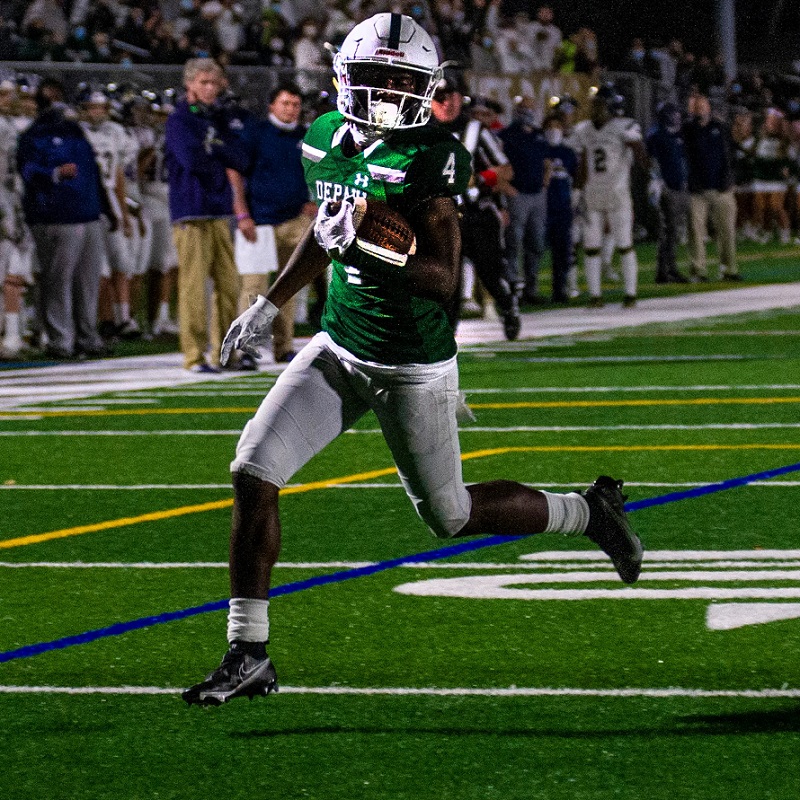
Mental Toughness: The Psychological Edge
Building Mental Resilience
In the world of sports, mental preparedness is equally crucial as physical training. DePaul football recognizes the importance of mental toughness and fosters a strong psychological framework for its players.
- Visualization Techniques:
- Coaches often encourage players to engage in visualization techniques before and during training sessions. By imagining various game scenarios—such as executing successful plays or overcoming adversity—players boost their confidence and reduce anxiety during crucial moments.
- Mindfulness and Focus:
- Incorporating mindfulness practices like meditation into training can help athletes maintain focus throughout games. This approach enables players to remain calm under pressure, which is especially vital during heated rivalries when emotions run high.
Team Bonding Activities
Furthermore, team bonding activities contribute to mental resilience. When players cultivate strong relationships, they build trust and camaraderie that enable them to perform as a cohesive unit.
- Group Outings:
- Engaging in off-field activities, such as team outings or retreats, helps enhance team dynamics. These experiences foster a sense of unity, ensuring players support one another during challenging times both on and off the field.
- Peer Support Systems:
- Creating peer support systems allows players to feel comfortable seeking advice or sharing concerns, ultimately leading to improved individual and team performance during games. This culture of open communication fosters an environment that celebrates mutual respect and understanding.
Through both mental preparation and team bonding, DePaul football reinforces the psychological foundations needed to face tough opponents bravely.
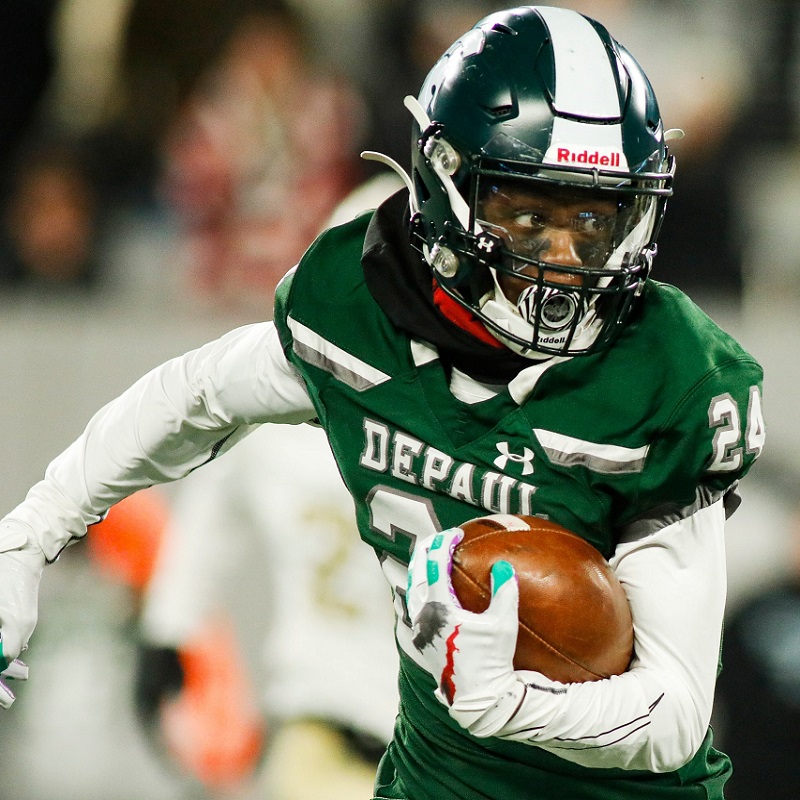
The Role of Technology in Preparation
Utilizing Data Analytics
Technology serves as an invaluable partner in player development and tactical preparation. DePaul football leverages advanced analytics to enhance performance at all levels.
- Performance Tracking:
- Wearable technology, such as GPS trackers and heart rate monitors, allows coaches to consistently monitor player metrics such as speed, heart rate, and overall stamina. This data provides critical insights into athlete fitness and readiness for competition, while also identifying potential areas for improvement.
- Game Analysis Software:
- Game analysis software plays a vital role in evaluating both DePaul’s own performance and that of their opponents. This software assists coaches in breaking down plays and strategies, allowing for more informed tactical decisions on and off the field.
Enhancing Training with Virtual Reality
In addition to traditional data analytics, innovative tools such as virtual reality (VR) are gaining traction among college football programs.
- Simulating Game Environments:
- VR training allows players to immerse themselves in simulated game environments, enabling them to practice their skills without the physical strain of traditional practice. This technology helps players hone their decision-making skills while enhancing their ability to react to real-time challenges.
- Practicing Plays:
- By practicing plays in a controlled virtual environment, players can better understand their roles and responsibilities. This tailored preparation leads to improved execution on game day, which can ultimately result in better performance against rivals.
Embracing technology equips DePaul football with the tools necessary to stay competitive, adapt quickly, and remain responsive against their big-name rivals.
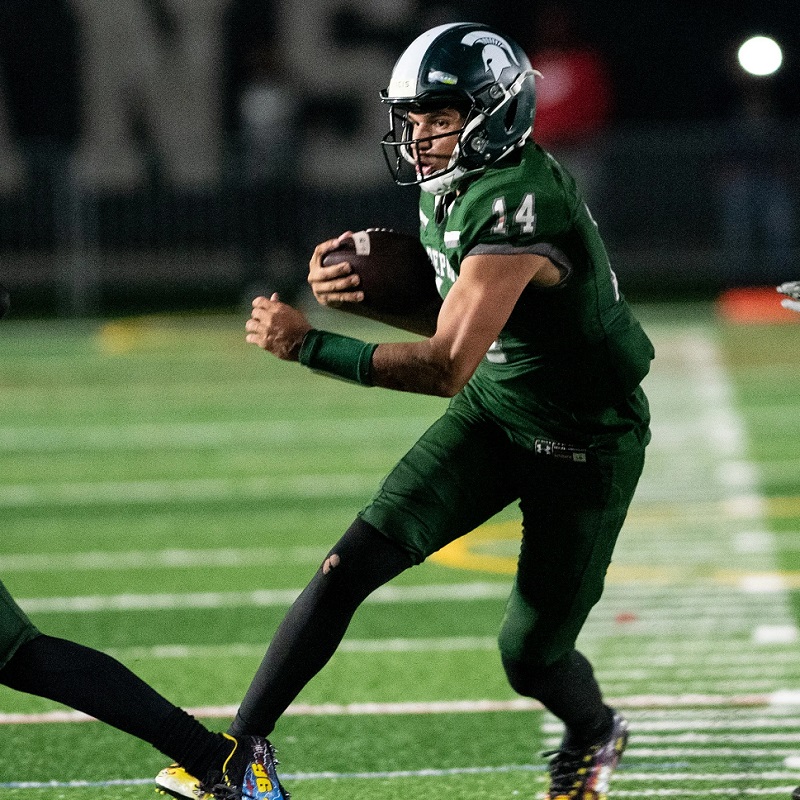
Fan Engagement: Building Support on and off the Field
Importance of Community Support
In college sports, fan engagement is crucial for creating a robust support system. DePaul football actively seeks to foster relationships with its fan base.
- Game Day Experiences:
- Creating exciting game day experiences, including tailgating events and fan meet-and-greets, helps cultivate enthusiasm in attendees. Engaging with the community enhances attendance and morale in the stands, creating a formidable home-field advantage that could sway the game in their favor.
- Social Media Engagement:
- Furthermore, leveraging social media to connect with fans allows DePaul football to build a broader following. Regular updates, player features, and interactive content keep fans invested in the team’s journey. When fans feel connected to the players, they become more enthusiastic supporters.
Alumni Support
Moreover, maintaining strong connections with alumni promotes ongoing support for the program.
- Alumni Events:
- Organizing alumni events encourages former players to remain involved in the program. Their shared experiences can provide valuable insights to current players and create a sense of tradition that reinforces DePaul’s football culture.
- Fundraising Initiatives:
- Active alumni support plays an essential role in fundraising initiatives that enhance practices, facilities, and recruitment efforts, thereby improving the team’s competitiveness. By investing in the program, alumni contribute to the long-term success and stability of DePaul football.
A well-engaged fan base and a strong alumni network bolster DePaul football’s capabilities, allowing the team to thrive even in the face of opposition from tough rivals.
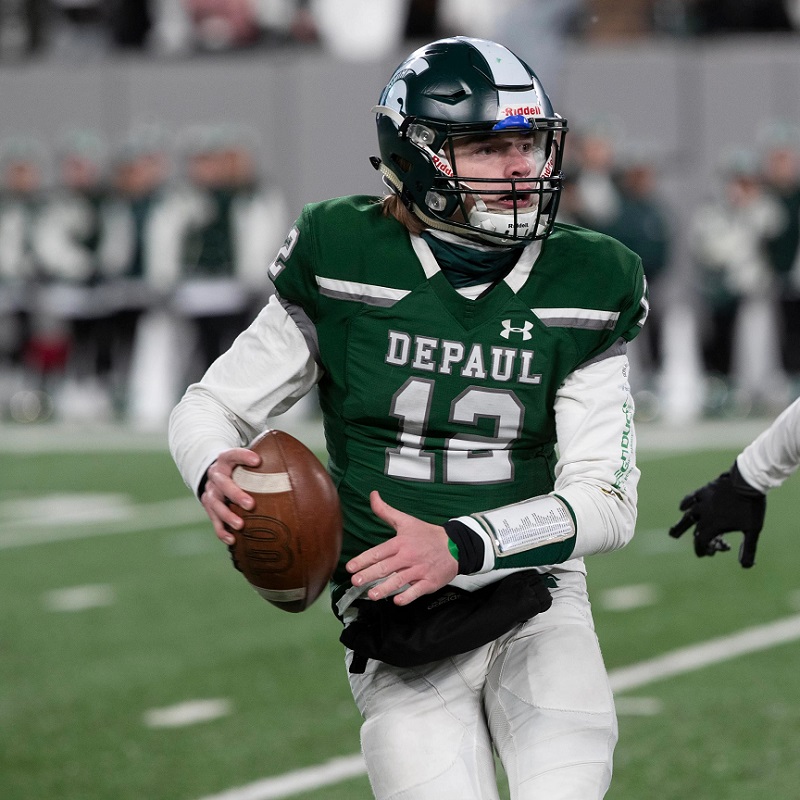
The Road Ahead for DePaul Football
In conclusion, DePaul football demonstrates a multifaceted approach to preparing for big-name rivals. By focusing on physical conditioning, tactical preparation, mental toughness, technology integration, and fan engagement, the program creates an environment poised for success.
As they navigate their challenging schedule, the continuous evolution of their strategies will allow DePaul to confront fierce competition head-on. As fans, understanding the hard work, dedication, and preparation that underpins the team’s performance only deepens our appreciation for DePaul football.