
Understanding the Causes of Washing Machine Mold
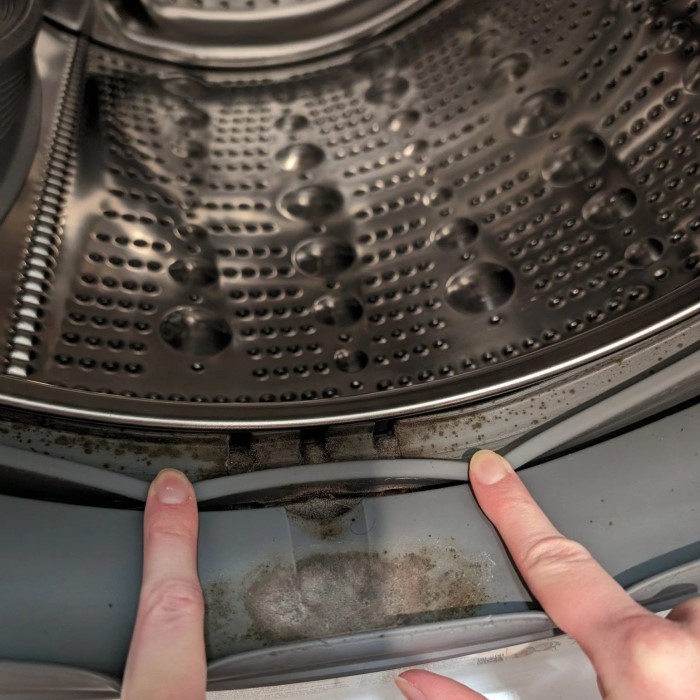
Discovering mold in your laundry appliance can be a shocking experience for any homeowner. You might notice a musty smell on your clothes. Alternatively, you might see black spots on the rubber seal. Consequently, many people urgently search for guides on how to clean mold from washing machine. This issue is incredibly common, especially in front-loading machines. These machines are designed to be water-efficient. Therefore, they use less water during the wash cycles. However, this efficiency comes with a downside. The low water levels often fail to rinse away all the detergent residues. Furthermore, the design of the door gasket creates a perfect hiding spot. Water collects in the folds of the rubber seal. Since the door is often kept closed, the moisture cannot evaporate.
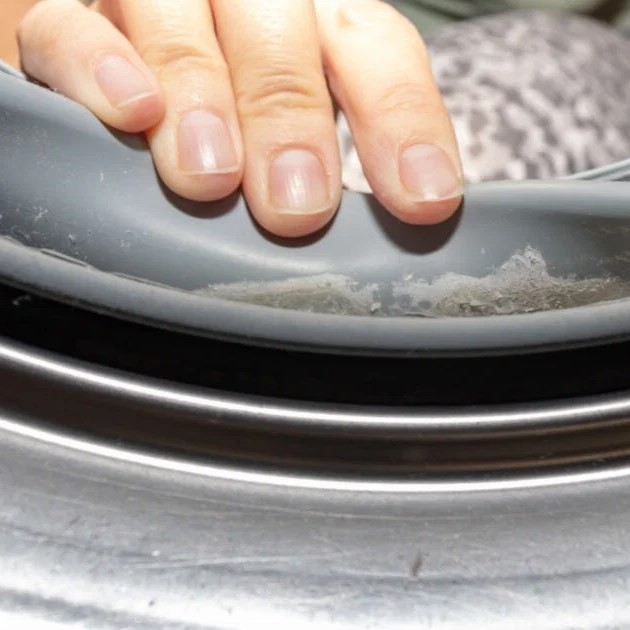
Mold spores are naturally present in the air around us. They float into the machine and find a damp, dark environment. Additionally, the buildup of soap scum provides a food source for the mold. Therefore, the problem tends to worsen over time if left unchecked. It is not just an aesthetic issue either. Mold can cause health problems for sensitive individuals. It can trigger allergies and respiratory issues. Moreover, it makes your clothes smell bad even after washing. Understanding why it grows is the first step in solving the problem. You must recognize that the machine requires maintenance just like any other appliance. Many users assume the machine cleans itself while washing clothes. However, this is a dangerous misconception. The warm, humid environment is a breeding ground for fungus. Thus, regular intervention is necessary to keep the appliance hygienic.
Essential Tools and Safety Precautions
Before you begin the cleaning process, you must gather the right supplies. Using the correct tools makes the job much easier. Furthermore, it ensures that you do not damage the machine. You will need a few simple household items. White vinegar is a powerful natural cleaner. It kills mold spores effectively. Additionally, baking soda is excellent for scrubbing away stubborn stains. You should also have a spray bottle, a microfiber cloth, and an old toothbrush. The toothbrush is perfect for reaching into crevices. For severe mold growth, you might need hydrogen peroxide. Some people also use a bleach solution. However, you must be extremely careful with bleach. Never mix bleach with vinegar. This combination creates toxic chlorine gas.
Safety should be your top priority during this process. Mold spores can become airborne when disturbed. Therefore, consider wearing gloves to protect your skin. A face mask is also a good idea. It prevents you from inhaling the spores. Moreover, ensure the room is well-ventilated. Open windows or turn on the bathroom fan. This helps to circulate fresh air. Furthermore, keep children and pets away from the area while you work. They might be curious about the cleaning supplies. Always read the labels on your cleaning products. It is crucial to use them as intended. Once you have your tools ready, you can proceed with confidence. Preparation is the key to a successful cleaning session. Do not rush this stage. A well-prepared cleaning kit saves time and effort later.
Step-by-Step Guide to Cleaning the Rubber Gasket
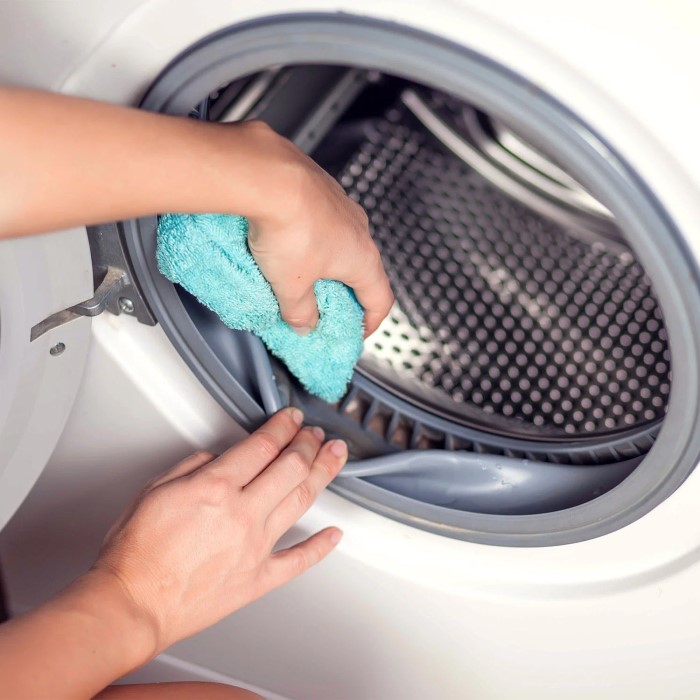
The rubber gasket, or door boot, is the most common place for mold to hide. This rubber ring creates a watertight seal when the door is closed. However, its deep folds trap moisture and debris. Therefore, you must clean this area thoroughly. First, mix a solution of warm water and vinegar. Use a ratio of one part vinegar to one part water. Spray this solution generously onto the rubber seal. Make sure to saturate the moldy areas. Let it sit for at least fifteen minutes. This gives the acid time to kill the mold. Meanwhile, the vinegar smell will be strong. However, it will dissipate as it dries.
Next, take your old toothbrush or a sponge. Gently scrub the molded areas. Start from the outside and work your way into the inner folds. Be careful not to damage the rubber with sharp objects. If the mold is stubborn, make a paste with baking soda and water. Apply this paste to the spots and scrub again. The baking soda acts as a gentle abrasive. Consequently, it lifts the stains without scratching the rubber. Furthermore, use a cloth to wipe away the loosened mold. You might need to repeat this process for deep stains. After scrubbing, wipe the entire gasket dry with a clean cloth. Moisture is the enemy here. Therefore, drying the surface is just as important as cleaning it. Finally, inspect the area closely. Ensure no black spots remain. If the gasket is damaged or severely pitted, it might need replacement.
Deep Cleaning the Washing Machine Drum
How to clean mold from washing machine? After addressing the rubber seal, you must focus on the drum. The stainless steel interior can also harbor mold spores. Even if you cannot see them, they might be present. Therefore, running a cleaning cycle is essential. Most modern machines have a specific “Clean Washer” or “Tub Clean” cycle. Check your owner’s manual to find this setting. If your machine does not have this feature, do not worry. You can use the hottest and longest cycle available. Set the water temperature to the maximum setting. Hot water is crucial for killing mold and bacteria.
Pour two cups of white vinegar into the detergent dispenser. Vinegar is safe for most machine components. It cuts through detergent residue and mold. Then, run the cycle without any clothes inside. This allows the vinegar to circulate through the entire system. Furthermore, the hot water will flush out the internal hoses. Once the cycle is complete, pause the machine. Open the door and let the drum air out for an hour. This cooling period helps to release trapped moisture. Afterward, you can run a second cycle with baking soda. Sprinkle one cup of baking soda directly into the drum. This will help to deodorize the machine. Additionally, it will scrub away any remaining residue. The combination of vinegar and baking soda is a powerful cleaning agent. It cleans the drum and the internal pump filter effectively.
Cleaning the Detergent Dispenser and Filters
How to clean mold from washing machine? Many people forget to clean the detergent drawer. However, this area is a prime location for mold growth. Detergent and fabric softener can leave behind a sticky residue. This residue becomes a breeding ground for black mold. Therefore, you must remove the dispenser drawer. Most models have a release button. Consult your manual if you are unsure how to remove it. Take the drawer to your sink. Rinse it thoroughly with hot water. Then, use an old toothbrush to scrub away the black sludge. Pay close attention to the small water outlets. These can easily get clogged with buildup.
Furthermore, check the compartment where the drawer sits. Mold often grows behind the drawer. Use a cloth and vinegar solution to wipe this area clean. Additionally, you should check the drain pump filter. This filter catches debris like coins and lint. If it gets clogged, water cannot drain properly. Standing water promotes mold growth. Locate the filter access panel at the bottom front of the machine. Place a towel or a shallow pan underneath to catch water. Unscrew the cap and remove any debris. Rinse the filter under running water. Then, screw it back in place. Regular maintenance of these components is vital. It ensures that water flows freely and remains clean. Consequently, your machine will function more efficiently.
The Importance of Drying and Ventilation
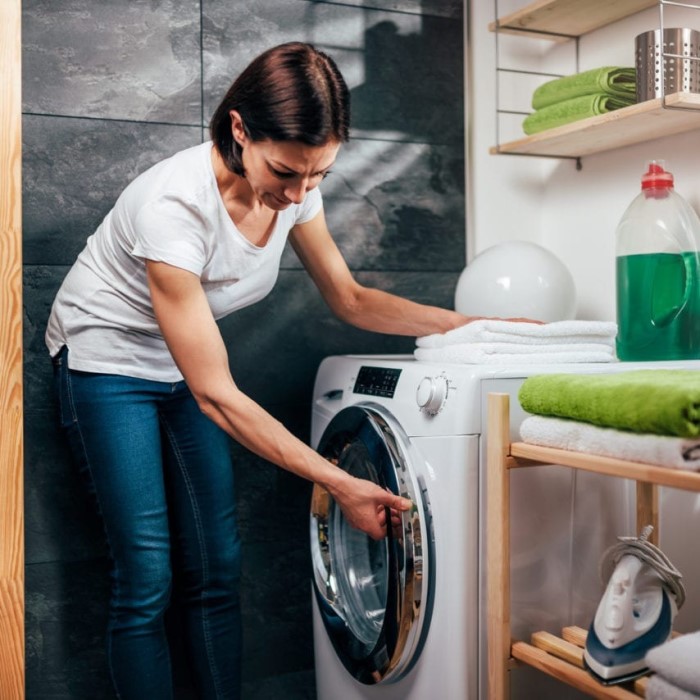
How to clean mold from washing machine? Mold requires moisture to survive. Therefore, depriving it of water is the best defense. After you have finished cleaning, your work is not quite done. You must establish new habits to prevent recurrence. The most important habit is to leave the door ajar. Never keep the washing machine door closed when it is not in use. This allows air to circulate inside the drum. Consequently, the remaining moisture evaporates. This simple step can reduce mold growth by up to 90%. Furthermore, you should also remove wet clothes immediately after the cycle ends. Do not let damp laundry sit in the machine for hours. This creates a humid environment that mold loves.
Additionally, consider the ventilation of the laundry room itself. If the room is small and humid, use a dehumidifier. This device removes excess moisture from the air. It makes the environment less hospitable to mold spores. Moreover, check the water supply hoses. Ensure there are no leaks. Even a small drip can provide enough moisture for mold to thrive. Wiping down the drum and gasket after each use is also helpful. It takes only a few seconds. However, it removes the water that mold needs to grow. You can keep a small towel nearby for this purpose. Consistency is key. These small daily actions will protect your machine in the long run. They save you from the hassle of deep cleaning repeatedly.
Preventative Maintenance Routines
Prevention is always easier than cure. Now that you know how to clean mold from washing machine, you should focus on prevention. Establishing a monthly cleaning routine is highly recommended. Once a month, run a hot water cycle with vinegar. This keeps the internal parts free of residue. You do not need to scrub every month. Just running the cycle is usually sufficient. Furthermore, pay attention to the type of detergent you use. High-efficiency (HE) machines require HE detergent. Using regular detergent creates too many suds. These suds are difficult to rinse away. Therefore, they leave behind more residue.
Moreover, liquid fabric softeners are a major cause of mold. They leave a sticky film on the internal parts. Consider switching to dryer balls instead. They soften clothes naturally without chemical residue. Alternatively, use white vinegar as a natural fabric softener. It is much safer for your machine. You should also check the door seal weekly. Wipe it down with a dry cloth. Look for early signs of black spots. If you see any, treat them immediately with vinegar. Early detection prevents a small problem from becoming a disaster. Additionally, ensure the machine is level. If the machine tilts, water may pool in one corner. This stagnant water fosters mold growth. Therefore, adjust the feet of the appliance if necessary. These preventative measures are simple. However, they are incredibly effective.
FAQ
How do you get black mold out of washing machine rubber?
Mix a solution of warm water and white vinegar. Spray it on the moldy rubber and let it sit for 15 minutes. Then, scrub with a toothbrush and wipe clean.
How do I get rid of black mold in my washer?
Run a hot water cycle with two cups of vinegar. Then, run a second cycle with baking soda. This kills mold and removes odors effectively.
What kills mold better, bleach or vinegar?
Vinegar is often better because it penetrates porous surfaces to kill roots. Bleach is effective on non-porous surfaces but can be harsh. Vinegar is also safer for most machine parts.
Can mold damage my washing machine?
Yes, mold can degrade rubber seals and hoses over time. This can lead to leaks and mechanical failure. Therefore, you should remove mold promptly to protect your appliance.
Conclusion
Dealing with a moldy washing machine is an unpleasant task. However, ignoring the problem will not make it go away. In fact, it will likely get worse. By following this comprehensive guide, you now understand how to clean mold from washing machine effectively. You have learned the importance of cleaning the rubber gasket. You also know how to deep clean the drum and the filters. Furthermore, you understand the critical role of drying and ventilation. These steps are essential for a healthy home environment. Do not let mold ruin your freshly washed clothes. Take action today to restore your appliance.
Remember that regular maintenance is the key to a mold-free machine. You must change your habits to prevent future growth. Leave the door open to let air circulate. Wipe the seals after use. Additionally, use the right detergents in the correct amounts. These small efforts will pay off significantly. Your machine will last longer. Moreover, your clothes will smell fresh and clean. You no longer need to worry about hidden fungus. A clean machine is a happy machine. Enjoy your fresh laundry with peace of mind. You have the knowledge and the tools to succeed. Keep your home safe and healthy for everyone.