
The Rising Profile of the Morocco National Football Team
Football is more than just a game in Morocco; it is a passion that unites the country. The Morocco national football team standings have become a topic of great interest among fans, analysts, and sports enthusiasts alike. Over the past few years, Morocco has made significant advancements in international football, improving their standings in various competitions.
As the team gears up for the 2025 season, understanding their current rankings, recent performances, and future predictions becomes essential. Various aspects contribute to their standings, such as player performance, coaching strategies, and the competitive landscape in African football. In this article, we will delve deep into these dynamics while providing insights and predictions for the Morocco national football team as they aim for success on both continental and global stages.
Current Standings: A Snapshot of Recent Performance
Recent Matches and Their Impact
To fully grasp the Morocco national football team standings, it’s crucial to review their recent match results. Understanding the outcomes of their games in the last year reveals trends in their performance. Here are some vital statistics and insights:
- Match Results: Analyzing the Morocco national team’s recent matches shows a blend of triumphs and challenges. For instance, they have managed to secure key victories against tough opponents, while also facing some disappointing losses. Each match offers valuable insights into how the team can improve.
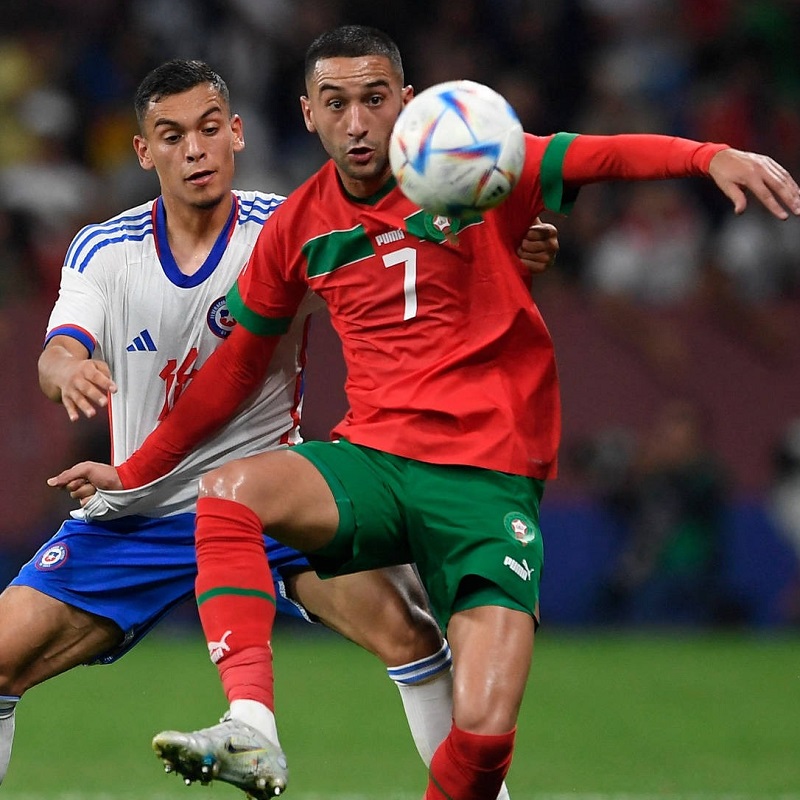
- Key Player Performances: Individual performances play a significant role in determining the success of the team. Morocco boasts star players like Achraf Hakimi and Hakim Ziyech, who have consistently delivered outstanding performances in both domestic and international matches. Their contributions can significantly sway match results and team morale.
- Tactical Approaches: Moreover, the team’s performance can also be analyzed through the lenses of the tactics employed by the coaching staff. Adjustments made in formations and strategies during matches have directly impacted scorelines. For example, employing a more aggressive attacking strategy may yield higher-scoring games but could leave the defense vulnerable.
Historical Standings: A Trend Analysis
To understand the Morocco national football team standings, it’s important to take a historical perspective. Analyzing trends over the past few years reveals a clear trajectory regarding their growth:
- Improvements in Rankings: Historically, Morocco has climbed the FIFA rankings steadily. Earlier years, marked by inconsistency, have given way to greater stability. This upward movement reflects not only improved player performance but also better strategic planning by the management.
- Participation in Major Tournaments: Additionally, participation in prestigious tournaments, such as the Africa Cup of Nations (AFCON) and FIFA World Cup qualifiers, has played a crucial role in shaping their rankings. Morocco’s appearances in these tournaments help them gain experience and acclimatize to different styles of play.
- Comparative Performance: Furthermore, it’s insightful to compare Morocco’s standings with those of other African countries. Rival teams like Algeria, Senegal, and Egypt pose significant competition, which highlights the competitive environment within African football.

Factors Influencing Morocco’s Performance
Strength of the Squad
A successful national team comprises a balanced and talented squad, and several factors related to the strength of the Morocco national football team influence their standings:
- Youth Development: Importantly, Morocco has invested heavily in youth academies and scouting networks. This commitment to developing local talents ensures a steady influx of skilled players into the national squad. Emerging players, therefore, have made substantial contributions during recent international fixtures.
- Player Selection and Experience: The coaching staff’s ability to select a competitive squad also plays a crucial role in determining match outcomes. Balancing youth with experienced players creates a dynamic team capable of handling high-pressure situations in matches.
- Injury Management: Keeping players fit and healthy is essential. Injuries to key players can greatly hinder the team’s performance and affect their standing. Consequently, the medical staff’s work in preventing and managing injuries is an aspect that cannot be overlooked.
Coaching and Management Strategies
Effective coaching is pivotal to the success of any national team. In Morocco’s case, the management has made strategic decisions affecting the team’s overall performance and standings:
- Innovative Tactics: The current coaching setup has employed tactics that maximize the team’s strengths. Furthermore, the implementation of innovative strategies, such as pressing high or counter-attacking play, has reaped benefits in recent matches.
- Detailed Game Analysis: Additionally, using technology to analyze performances helps the coaching staff pinpoint areas for improvement. Video analysis of previous games allows for tactical adjustments in future matches. Such insights are vital for continuing to improve their standing in international football.
- Training Regimen: A well-structured training regimen that focuses on both physical fitness and tactical awareness enhances team performance. Continuous assessment of training methods ensures that players are well-prepared for the demands of international competition.
Competitive Landscape
Morocco does not compete in isolation; the competitive landscape within African football significantly affects their standings. Here are some critical points to keep in mind:
- Rival Nation Dynamics: Rival teams like Nigeria, Ghana, and Cameroon are perennial powerhouses in African football. Matches against these formidable opponents are double-edged swords, since victories can boost Morocco’s standings significantly, while defeats can be damaging.
- Emerging Teams: The rise of emerging football nations in Africa complicates the competitive landscape. Countries like Mali and Ivory Coast are making waves and can challenge historically dominant teams, creating a more competitive environment.
- Investment in Infrastructure: Many African nations are investing in football infrastructure, from developing training facilities to improving youth academies. Such investments will increase competition as more nations produce high-quality players.
Trends in Player Development
Youth Academies and Grassroots Programs
The development of young talents is critical for the sustainability of Morocco’s success in football. Here are some trends influencing youth development:
- Expansion of Youth Programs: There is an increasing push from the Moroccan Football Federation to expand youth programs across the nation. These efforts focus on grassroots training to identify and nurture talent from an early age, which is crucial for the long-term success of the national team.
- International Experience: Young players in Morocco are gaining valuable international experience by participating in European clubs. These opportunities are vital for honing their skills against tougher competition, preparing them for the high stakes of international fixtures.
- Scouting Networks: Enhanced scouting networks allow coaches to identify talent not just within Morocco but globally. The diaspora of Moroccan players, particularly in Europe, provides a wealth of options for potential call-ups to the national team.
Importance of Technical Training
In addition to grassroots programs, technical training plays a vital role in shaping skilled players. Here’s how it influences the national team:
- Focus on Skill Development: Training programs emphasize technical skills, such as dribbling, shooting, and passing. These foundational skills are crucial for players who aspire to excel in high-pressure situations.
- Tactical Awareness: Furthermore, educating players about tactical roles and formations enhances their understanding of game scenarios. This understanding allows players to react quickly and make strategic decisions during matches.
- Workshops and Camps: Frequent workshops and training camps organized by the Football Federation offer players opportunities to refine their skills. These sessions improve individual performance and foster teamwork among players.
Anticipating Changes Ahead: The 2025 Season
Key Fixtures to Watch
As the 2025 football season approaches, several vital fixtures require attention from fans and analysts alike. Here’s what to look out for:
- AFCON 2025: The Africa Cup of Nations is a significant event that can define the trajectory of the team’s season. Performances in AFCON will impact their FIFA ranking as well as their morale and confidence heading into future matches.
- World Cup Qualifiers: Qualifying matches for the FIFA World Cup will demand utmost focus and preparation. Securing a place in the World Cup is the ultimate goal for the Morocco national football team and succeeding in these qualifiers is paramount for their aspirations of competing on the world stage.
- Friendly Matches: Throughout the season, Morocco will engage in friendly matches. These games serve as preparations for major tournaments and are critical for assessing player fitness and team cohesion. Friendly matches can also help the coaching staff experiment with different tactics and player combinations.
Strengthening the Squad
As the 2025 season approaches, various factors will shape the Morocco national football team and their expected performance. Here’s an overview of anticipated trends and predictions:
- Emphasis on Depth: The Moroccan coaching staff is likely to focus on squad depth, ensuring that multiple players can contribute. Having depth allows for rotation, which is vital during congested fixture periods.
- Performance of Key Players: The performance of star players will be closely monitored. Players such as Hakimi and Ziyech will need to step up as leaders both on and off the pitch. Their influence in decisive matches can sway results significantly.
- Adaptation to Opponents: As teams around the world study Morocco’s style, the adaptability of the national squad will be vital. The coaching staff will need to prepare players for different tactical approaches depending on the opponent.
Addressing Challenges
While the outlook for the Morocco national football team may appear favorable, challenges are inherent. Here are a few troubling issues they might face along the way:
- Managing Expectations: The team’s recent successes have raised expectations among fans and analysts. While aiming for higher standings is commendable, the burden of such expectations can create additional pressure.
- Impact of Injuries: Injuries, especially to critical players, can greatly impact performance. The coaching staff must have contingency plans in place to minimize disruption to tactics and team dynamics.
- Rival Gaps Closing: The standard of football globally is always rising. Competing teams continually invest in their development. As a result, the gap between traditionally strong teams and emerging nations has narrowed, making it increasingly crucial for Morocco to stay ahead in preparations and strategies.
The Road Ahead for the Morocco National Football Team
In conclusion, the Morocco national football team standings reflect a promising journey fueled by talent development, coaching innovations, and competitive spirit. Recent performances showcase Morocco’s potential and ability to compete at higher levels. As we look ahead to the 2025 season, several trends and factors will influence their standings and performance.
Youth development, effective coaching strategies, and a thorough understanding of the competitive landscape will play essential roles. By focusing on continuous improvement and adapting to challenges, the Morocco national football team can aim to secure a prominent position in African and international football.
As the team embarks on this journey, supporters can eagerly anticipate the excitement and achievement that lies ahead. The future looks promising, and the passion for football in Morocco is set to reach new heights.