
Freestyle swimming is the fastest and most popular stroke in competitive and recreational swimming. Known for its efficiency and speed, freestyle swimming allows swimmers to cover long distances with less effort than other strokes.
Most swimmers choose freestyle during races because it offers the best balance of power and glide. It’s also the first stroke taught to beginners due to its natural arm and leg movements.
The basic motion involves alternating arm pulls and a continuous flutter kick. Breathing occurs to the side, usually every two or three strokes. This rhythm keeps the body streamlined and reduces drag.
Swimmers at all levels benefit from refining their freestyle technique. Whether you’re training for triathlons, improving fitness, or preparing for swim meets, mastering freestyle swimming is essential.
Moreover, this stroke builds endurance, strengthens core muscles, and improves lung capacity. It’s low-impact, making it ideal for people with joint concerns.
Many find freestyle swimming meditative. The repetitive motion and rhythmic breathing create a calming effect.
With consistent practice and proper form, anyone can improve.
Therefore, understanding freestyle swimming deeply enhances both performance and enjoyment.
 Key Components of Proper Swimming Freestyle Technique
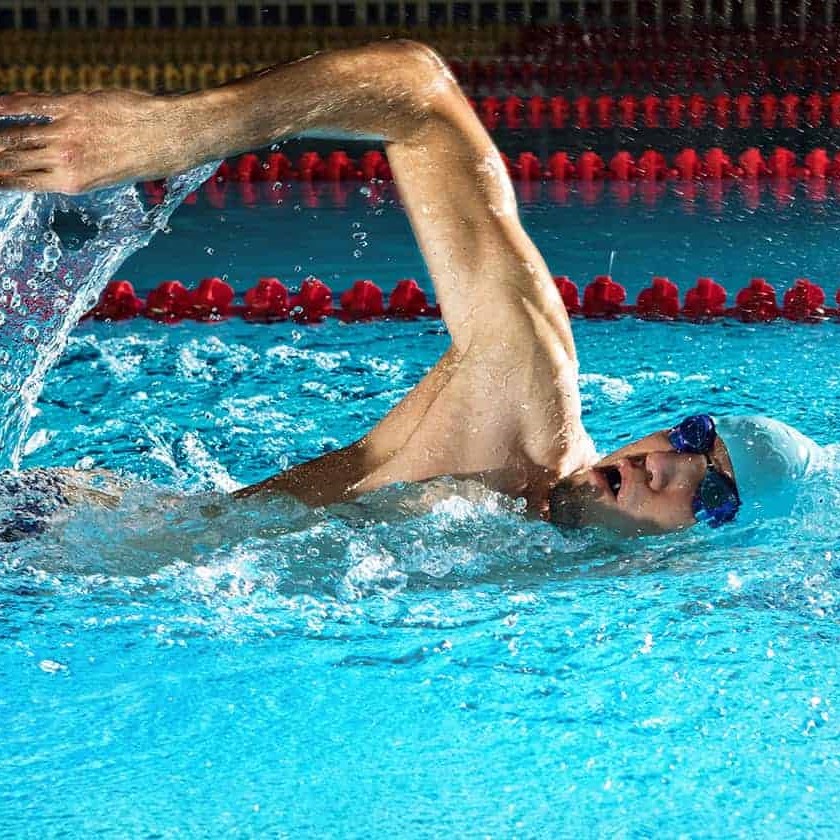
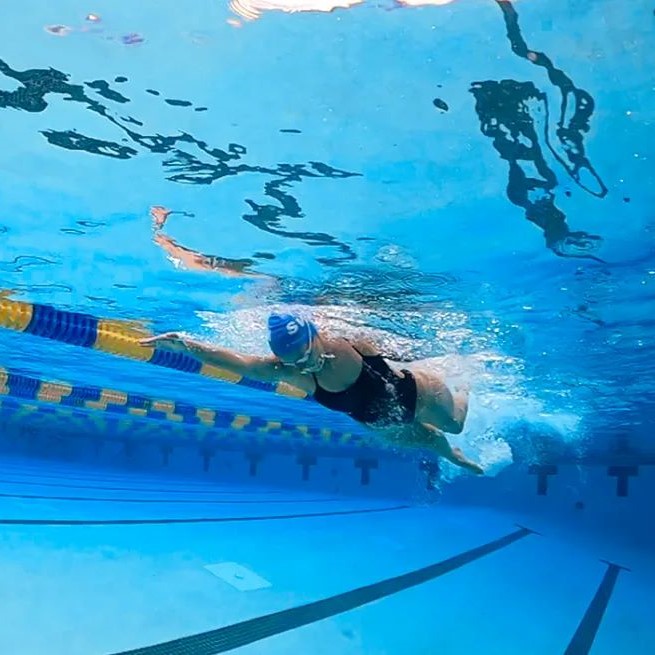
Successful freestyle swimming depends on several coordinated elements. First, body position matters. Keep your body horizontal and aligned. Your head should stay in line with your spine.
Next, focus on arm movement. Enter the water with your fingertips first. Reach forward without crossing the centerline. This prevents inefficient zigzag motion.
Pull your hand back in an S-shaped pattern. This increases propulsion. Finish the pull near your hip before exiting the water smoothly.
Recovery follows. Swing your arm forward with a relaxed elbow. High elbows reduce strain and maintain momentum.
The flutter kick supports balance and speed. Kick from the hips, not the knees. Small, fast movements work better than large splashes.
Breathing technique is crucial. Turn your head to the side during the arm recovery. Inhale quickly and return your face to the water without lifting it.
Maintain a steady rhythm. Sync your breath with your stroke cycle. Most swimmers breathe every two or three strokes.
Finally, streamline off walls. Push off with both feet. Extend arms overhead in a tight position.
All these components must work together.
When they do, freestyle swimming becomes smooth and efficient.
How to Improve Your Swimming Freestyle Speed
Increasing speed in freestyle swimming requires targeted training. Start with technique refinement. Even small adjustments boost efficiency.
Work on reducing drag. A flat, horizontal body cuts through water better. Avoid lifting your head too high or dropping your legs.
Strengthen your catch phase. This is when your hand begins pulling water. A firm, early vertical forearm creates more thrust. Drills like sculling help develop this skill.
Build arm strength with resistance training. Use paddles during practice. They increase load on the arms and improve feel for the water.
Enhance kick power. While the flutter kick contributes less than the arms, a strong kick stabilizes the body. Add kickboard sets to your routine.
Improve stroke rate gradually. Count strokes per length. Aim to maintain speed while reducing stroke count.
Interval training builds pace. Swim short bursts at high speed with rest in between. For example, ten 50-meter sprints with 20 seconds rest.
Also, focus on turns and push-offs. A powerful flip turn saves time. Practice tucking tightly and exploding off the wall.
Consistency matters. Train regularly and track progress. Use a swim log to monitor distance, time, and stroke count.
Over time, these efforts lead to measurable gains.
Thus, faster freestyle swimming comes from smart, focused practice.
 Swimming Freestyle Drills to Enhance Form and Efficiency
Drills are essential for improving freestyle swimming. They isolate specific skills and build muscle memory.
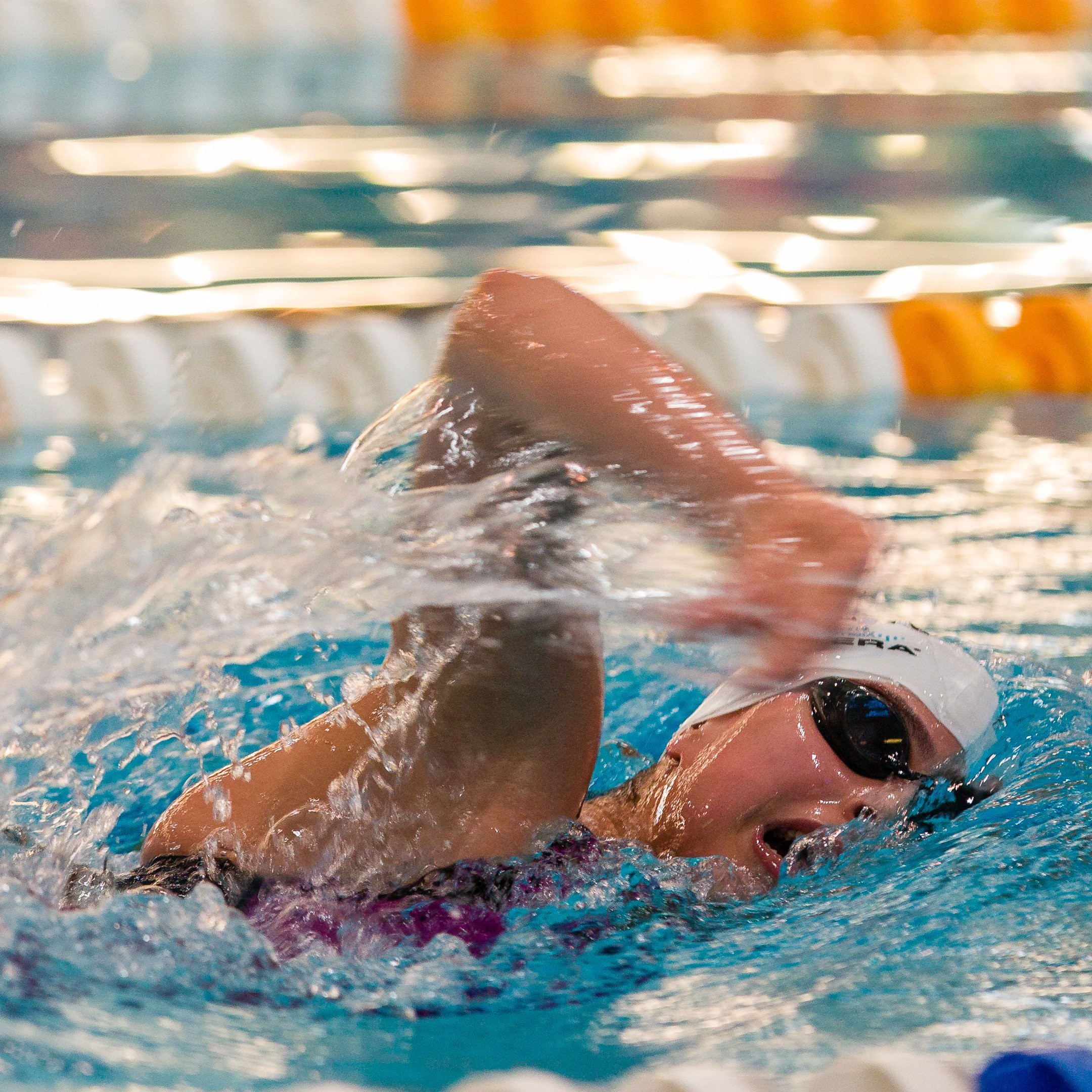
Finger drag drill teaches high elbow recovery. Swim freestyle but drag your fingertips across the surface during recovery. This promotes proper arm lift.
Catch-up drill improves timing. Bring one arm forward and wait for the other to “catch up” before pulling. This slows the stroke but sharpens coordination.
Six-kick switch drill strengthens body rotation. Take six kicks on one side, then switch arms and roll to the other side. This enhances balance and timing.
Kickboard drills isolate leg strength. Hold the board with straight arms. Focus on fast, small kicks from the hips.
Bilateral breathing drill encourages symmetry. Breathe to both sides every three strokes. This prevents overuse injuries and improves alignment.
Tarzan drill builds sighting ability. Keep your head above water while swimming. Useful for open water swimmers who need to navigate.
One-arm freestyle drill clarifies hand path. Swim using only one arm. The other stays at your side. Switch arms every 25 meters.
Use snorkels occasionally. They allow uninterrupted breathing. This helps focus purely on stroke mechanics.
Perform drills at the start of workouts. Warm muscles respond better to technical work.
These exercises build precision.
And precision leads to smoother, faster freestyle swimming.
Common Mistakes in Swimming Freestyle and How to Fix Them
Even experienced swimmers make errors in freestyle swimming. One common mistake is cross-over entry. The hand crosses the centerline during entry. This causes zigzagging and wasted energy. Fix it by entering with hands shoulder-width apart.
Another issue is lifting the head to breathe. This drops the hips and increases drag. Instead, rotate your head with your body. Only one goggle should leave the water.
Over-kicking wastes energy. Large, splashy kicks don’t add much speed. Focus on compact, rapid movements from the hips.
Dropping the elbow during the pull reduces power. Keep the elbow high during recovery and catch. A low elbow creates a weak pull.
Holding your breath underwater strains the lungs. Breathe out slowly through your nose or mouth. Then inhale quickly when turning.
Poor body alignment sinks the legs. Engage your core and keep your back flat. Practice kicking on your side to feel balanced positioning.
Looking forward instead of down disrupts posture. Keep your gaze at the bottom of the pool. This aligns your spine.
Lastly, rushing the stroke sacrifices form. Slow down and focus on each phase. Efficiency beats speed in the long run.
Fixing these issues takes time.
But correction leads to better freestyle swimming.
 Benefits of Swimming Freestyle for Fitness and Health
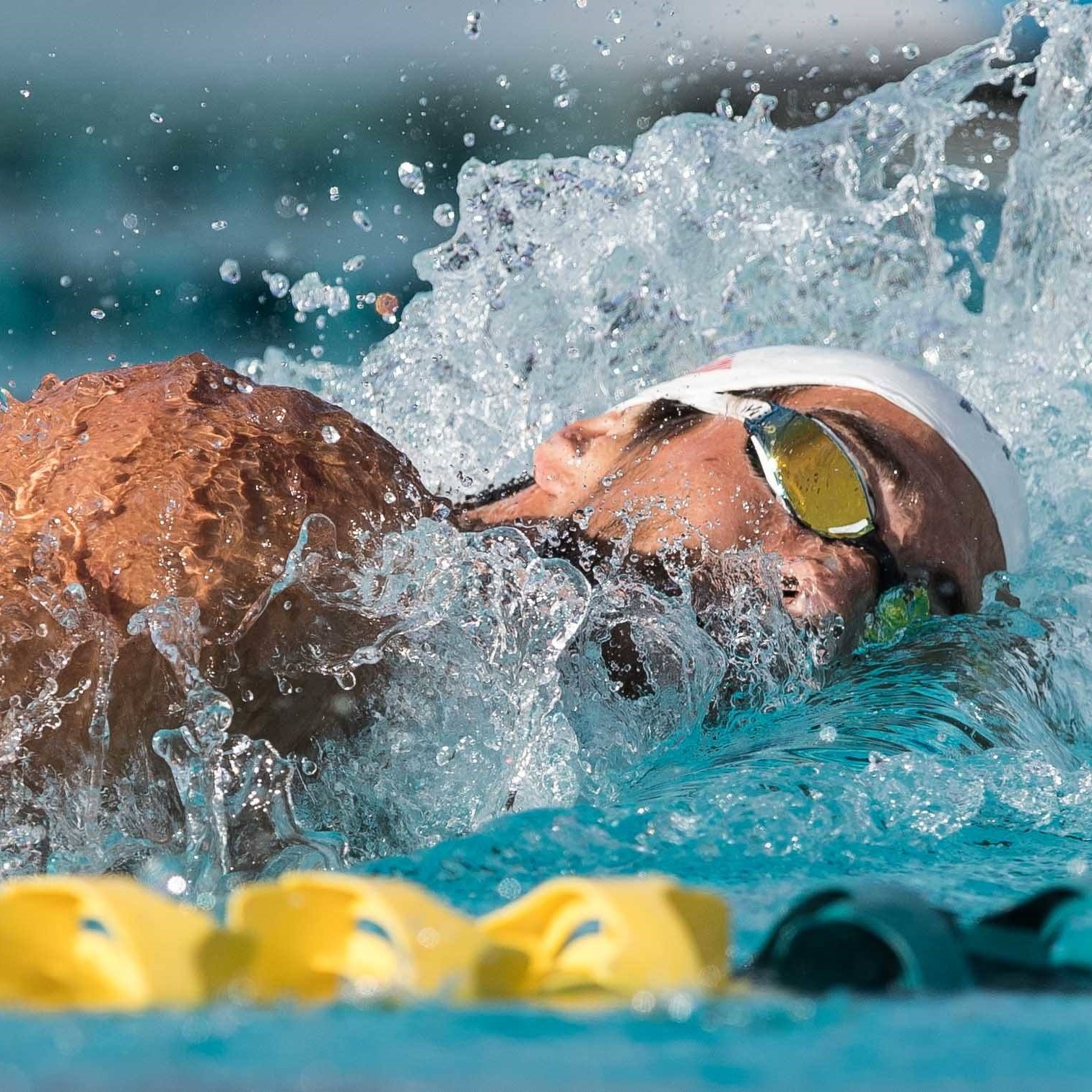
Freestyle swimming delivers powerful health benefits. It engages nearly every major muscle group. Shoulders, back, core, glutes, and legs all work continuously.
Cardiovascular fitness improves quickly. The stroke elevates heart rate steadily. This strengthens the heart and lungs over time.
It’s also low-impact. Water supports joints. This makes freestyle swimming ideal for injury recovery or arthritis.
Regular sessions aid weight loss. Swimming burns calories effectively. A 30-minute session can burn 300–500 calories, depending on intensity.
Mental health gains are significant. The rhythmic motion and controlled breathing reduce stress. Many report feeling calm after a swim.
Freestyle swimming boosts endurance. Long-distance sets train the body to sustain effort. This helps in other sports and daily life.
Lung capacity increases. Controlled exhalation and quick inhalation expand respiratory efficiency.
Coordination and balance improve. The stroke requires timing between arms, legs, and breathing.
Additionally, it supports better sleep. Physical exertion in water often leads to deeper rest.
For overall wellness, few exercises match freestyle swimming.
It combines strength, cardio, and mindfulness in one fluid motion.
Open Water vs. Pool Swimming Freestyle: What’s the Difference?
Freestyle swimming changes significantly between pools and open water. In a pool, conditions are controlled. Walls allow flip turns. Lane lines guide direction.
Open water lacks these aids. Swimmers must sight frequently. Lift your head slightly every 6–8 strokes to check position.
Wave action affects stroke rhythm. Choppy water may require shorter, stronger strokes. Adjust your tempo as needed.
Breathing patterns shift. Bilateral breathing helps in rough conditions. It balances stroke symmetry and improves navigation.
Wetsuits are common in cold water. They add buoyancy but restrict arm movement slightly. Practice in your gear before race day.
Drafting is a key tactic. Swim behind another athlete to reduce drag. This conserves energy during long events.
Sun and wind affect visibility. Wear goggles with mirrored or tinted lenses. Apply anti-fog solution beforehand.
Starts differ too. Ocean or lake entries are often running starts. Practice diving in shallow areas.
Temperature varies. Cold water demands acclimatization. Warm water increases fatigue. Hydrate accordingly.
Understanding these differences prepares you for real-world freestyle swimming.
Adaptability separates good swimmers from great ones.
 Equipment Needed for Effective Swimming Freestyle
Having the right gear enhances freestyle swimming performance. Goggles are essential. They protect eyes and improve underwater vision. Choose anti-fog, UV-protected models.
A swim cap reduces drag. Silicone caps fit snugly and protect hair. Colored caps increase visibility in open water.
Swimsuits matter. Competitive suits compress muscles and reduce resistance. Recreational swimmers benefit from durable, chlorine-resistant materials.
Paddles build upper body strength. Use them in short intervals. Focus on clean pulls to avoid shoulder strain.
Kickboards isolate leg training. Hold with straight arms. Use during dedicated kick sets.
Pull buoys support the legs. Place between the thighs. This forces upper body focus during pull-only drills.
Snorkels eliminate breathing distractions. Ideal for form work. Use occasionally to avoid neck strain.
Fins improve ankle flexibility and kick speed. Short-blade fins are best for technique.
Watches with lap timers track progress. Waterproof models sync with apps for data review.
Using equipment wisely accelerates improvement.
Each tool targets a different aspect of freestyle swimming.
Frequently Asked Questions About Swimming Freestyle
Is freestyle swimming the same as front crawl?
Yes. Freestyle swimming typically refers to front crawl, the fastest stroke.
How often should I swim freestyle?
Three to five times per week builds endurance. Allow rest days for recovery.
Can beginners learn freestyle swimming?
Yes. It’s the most commonly taught stroke. Start with basic drills and breathing.
Do I need to breathe on both sides?
Not always. But bilateral breathing improves symmetry and reduces injury risk.
Why do my shoulders hurt when swimming freestyle?
Overuse or poor technique causes strain. Check your hand entry and elbow position.
How can I swim freestyle longer without getting tired?
Build stamina with interval training. Focus on efficient form and steady breathing.
What is a good pace for freestyle swimming?
Beginners: 2 minutes per 100 meters. Advanced swimmers: under 1 minute 20 seconds.
Can freestyle swimming help with back pain?
Yes. The buoyancy reduces spinal pressure. However, correct form is critical.
 Final Thoughts: Why Swimming Freestyle Is a Lifelong Skill Worth Mastering
Freestyle swimming is more than a competitive stroke. It’s a lifelong skill that supports health, fitness, and confidence.
From beginner lessons to marathon swims, it adapts to every stage of life.
Its efficiency makes it ideal for exercise, racing, and survival.
Mastering freestyle swimming opens doors to triathlons, open water adventures, and advanced techniques.
With consistent practice, anyone can improve.
And once learned, it stays with you forever.
Whether you swim for speed, wellness, or joy, freestyle swimming delivers.
So dive in, refine your form, and enjoy the journey.
Because freestyle swimming is not just a stroke—it’s a way of moving through life with strength and grace.