
The Rise of Formal Sports Shoes in Fashion
Formal sports shoes are making their mark in the fashion world. Once only seen in gyms or on tracks, these versatile shoes now grace offices and high-end events. Their unique blend of comfort and style has led to a surge in popularity. Professionals and fashion enthusiasts are opting for formal sports shoes more than ever.
The rise is evident in footwear collections of top designers who are merging sleek design with sports technology. Lookbooks and fashion shows frequently highlight them alongside suits and dresses. This trend reflects a shift in how we view workplace attire and formality.
Social media influencers and style icons have also played a role. They showcase how to wear formal sports shoes without compromising elegance. These style leaders prove that formal sports shoes fit various outfits, setting a new norm in fashion.
Even at lavish ceremonies, you can spot formal sports shoes peeping under tailored trousers. They are a stylish choice for those who prioritize both looks and comfort. Thanks to these shoes, gone are the days of sacrificing comfort for style. Now, with formal sports shoes, fashion lovers get the best of both worlds.
Key Features of Modern Formal Sports Shoes
Modern formal sports shoes blend style and functionality beautifully. They come with a host of features that set them apart from traditional sneakers and dress shoes. Let’s take a closer look at these key characteristics.
Advanced Materials
The latest formal sports shoes use advanced materials for durability and comfort. High-tech synthetics and breathable fabrics are common. These materials also lend a sleek, modern look that goes well with formal wear.
Ergonomic Design
Comfort is king when it comes to formal sports shoes. Ergonomic design ensures that these shoes fit the natural shape of the foot. This means less fatigue and more comfort, even after long hours of wear.
Versatile Style
These shoes boast a design that complements both casual and formal outfits. Think minimalistic, sleek lines that pair easily with suits or jeans. They offer a sophisticated look without compromising on the sporty feel.
Lightweight Construction
Formal sports shoes are often much lighter than traditional formal shoes. This lightweight construction adds to the comfort and enables easy movement throughout the day.
Enhanced Support
With built-in arch support and cushioning, these shoes help prevent foot strain, making them ideal for professionals who stand or walk a lot during the day.
Fashion-Forward Trends
Often these shoes feature on-trend colors and textures. Brand collaborations and limited editions keep the choices fresh and exciting.
Eco-Friendly Options
Increasingly, brands are offering formal sports shoes made from sustainable materials. This is a nod to the growing demand for eco-conscious fashion.
In summary, modern formal sports shoes are stylish, comfortable, and functional. They are perfectly tuned to meet the demands of today’s busy lifestyles.
How Formal Sports Shoes are Changing the Workplace
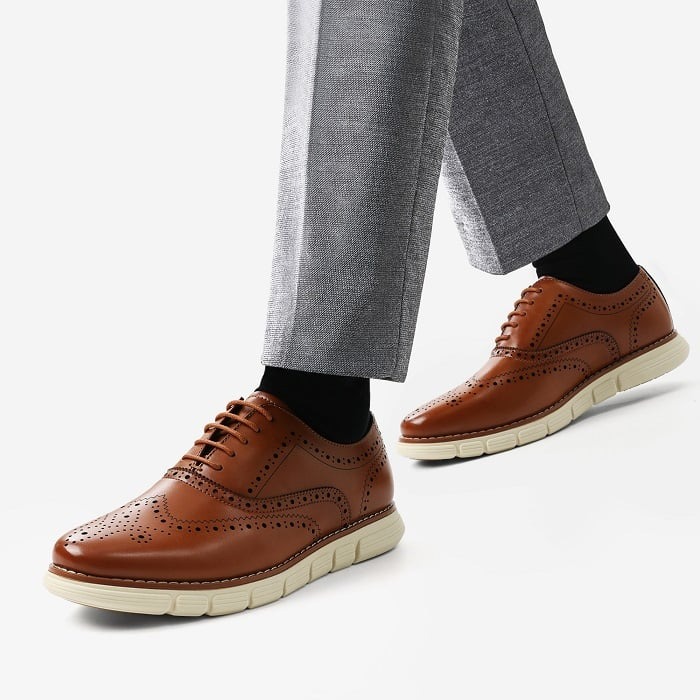
The workplace is adapting with the inclusion of formal sports shoes. This shift towards more relaxed yet stylish footwear reflects changing work culture norms. Here’s how formal sports shoes are making a difference in professional settings:
Enhanced Worker Comfort
Comfort boosts job performance, and formal sports shoes are at the forefront of this movement. Employees enjoy less foot fatigue and increased mobility. This change can mean more energy and focus on work tasks.
Dress Codes Evolving
Once rigid dress codes are softening as formal sports shoes gain acceptance. Many companies now see these shoes as suitable for the office. This trend diversifies wardrobe options and personal expression at work.
Increased Productivity Possibilities
With better support and comfort, workers potentially experience fewer distractions. Comfortable shoes contribute to sustained concentration and might lead to higher productivity.
Morale and Workplace Satisfaction
Outfit flexibility, including footwear choice, can elevate employee morale. Formal sports shoes offer a way for employees to feel comfortable and stylish. Higher satisfaction rates could be a direct outcome.
Encouragement of Active Lifestyles
Formal sports shoes in the workplace may encourage more movement and healthier habits. They suit an active commute and in-office agility without the need for spare shoes.
Brand Image and Innovation
Companies that embrace this trend broadcast a message of innovation and flexibility. It’s a statement that they value employee well-being and modern workplace culture.
In essence, formal sports shoes bring a blend of function and fashion into the workspace. The trend reflects a broader movement towards work environments that prioritize health and comfort without sacrificing style.
The Role of Technology in the Evolution of Formal Sports Shoes
Technology has played a pivotal role in the evolution of formal sports shoes. This evolution reflects a fusion of traditional craftsmanship with cutting-edge innovation. Here’s how technology is shaping the future of this footwear category:
High-Tech Manufacturing Processes
Technological advances in manufacturing have enabled the production of formal sports shoes with unprecedented precision. This has improved not only the fit and comfort but also the durability of the shoes. Smart machinery creates less waste and improves quality control.
Innovative Material Usage
Breakthroughs in material science give way to novel textiles. These new fabrics are lighter, more durable, and often sustainably sourced. Advanced synthetics enhance the shoes’ aesthetic without sacrificing performance.
Enhanced Comfort and Performance Features
With the latest technology, shoes offer more support and cushioning. This allows for a comfortable experience that can last the entire workday. It also includes temperature regulation and moisture-wicking properties that keep feet dry and fresh.
Design Software Advancements
Sophisticated design software lets designers experiment with different styles and features. They can test and perfect shapes, colors, and textures before physical samples are made. This leads to innovative shoe designs that blend formality with athleticism.
Sustainable Manufacturing Practices
Brands are incorporating eco-friendly technology into their shoe making. They use renewable energy and close-loop systems. This minimizes the environmental impact of shoe production.
Customization and Personalization Options
3D printing and scanning provide opportunities for bespoke shoe options. Individuals can get shoes that are tailored to their own feet. This personal touch adds to the appeal of formal sports shoes.
Overall, technology is empowering the formal sports shoes sector to offer products that suit modern lifestyles. These shoes now exhibit attributes that weren’t possible a decade ago, thanks to technological innovation. The result is a shoe that is not only comfortable and stylish but also pushing the boundaries of what formal footwear can be.
Top Brands Leading the Formal Sports Shoes Trend
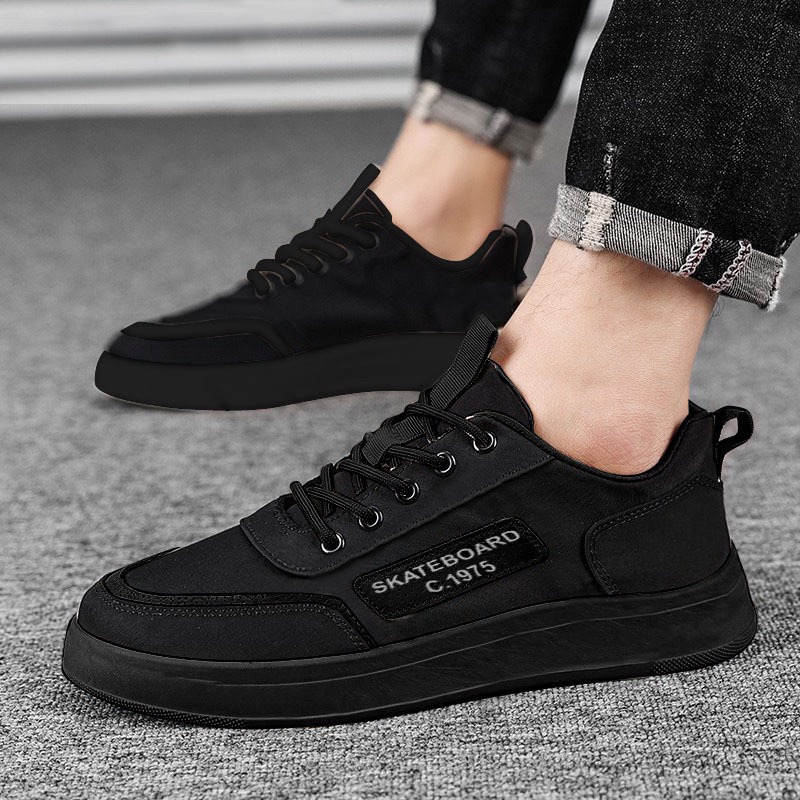
Several top brands are setting the standard in the formal sports shoes market. These leaders are renowned for blurring the lines between traditional formal wear and athletic performance. Their innovations have a significant impact on the industry. They are shaping consumer expectations and defining style benchmarks.
Innovative Designers and Iconic Models
Brands like Nike, Adidas, and Reebok have introduced lines that blend formality with athletic comfort. Nike’s Air Max series, with its elegant design, defies traditional formal shoe expectations. Adidas, with its classic Stan Smith, has also ventured into this niche, offering sleekness and a nod to sustainability. Reebok’s Heritage line combines retro vibes with modern comfort.
Luxury Fashion Houses Entering the Arena
Luxury brands such as Gucci and Louis Vuitton have entered the formal sports shoes scene. They bring craftsmanship and exclusive designs to the table. Gucci’s Ace sneaker is a prime example, offering a luxurious twist on athletic footwear. Louis Vuitton’s Time Out sneaker elevates the standard with its signature patterns and superior materials.
Smaller Brands Making Waves
Smaller brands are making their mark too. COLE HAAN and ECCO have gained attention for their stylish yet comfortable designs. COLE HAAN’s Zer?grand line showcases the marriage between classic charm and modern innovation. ECCO’s soft 7 sneaker marries comfort with a minimalistic, formal aesthetic.
Tech-Forward Companies Pushing Boundaries
Tech-savvy companies like Under Armour and New Balance strive for innovation. Under Armour’s HOVR series stands out for its high-tech cushioning and futuristic look. New Balance’s Fresh Foam collection offers plush support, marrying sport function and refined style in one.
These brands demonstrate the potential of formal sports shoes. They push the envelope by offering products that feature the latest technology and style trends. They create shoes that fit seamlessly into both professional settings and personal styles.
The Impact on Traditional Formal Footwear Markets
The emergence of formal sports shoes is reshaping traditional formal footwear markets. As flexibility in dress codes increases, here’s how the landscape is changing:
Shifting Consumer Preferences
Customers are now seeking comfort along with style. They prefer shoes that can serve dual purposes. This trend reduces the demand for classic formal shoes that lack comfort features.
New Market Segments
Formal sports shoes have created a new niche. This segment combines the elegance of formal shoes with the comfort of athletic wear. As a result, more consumers are choosing these versatile options over conventional choices.
Competition Drives Innovation
Traditional formal shoe brands must innovate to stay relevant. They now integrate features like ergonomic designs and advanced materials to compete.
Declining Sales for Classic Models
Sales for some of the rigid and less comfortable classic models are declining. Brands with a strong heritage find they must adapt to the changing consumer needs or risk falling behind.
Pricing Changes
The value placed on multidimensional use and comfort can affect pricing. Some consumers are willing to pay more for shoes that offer both style and comfort, impacting the pricing strategies of traditional formal shoes.
Transition to Casual Elegance
With the shift towards casual elegance in the workplace, the market for traditional formal shoes is undergoing a transformation. The demand for adaptable and comfortable shoes is on the rise, and the market must adapt to survive and thrive. Formal sports shoes are not just a fleeting trend; they are a sign of evolving consumer values and a new era in footwear.
Styling Tips for Pairing Formal Sports Shoes with Business Attire
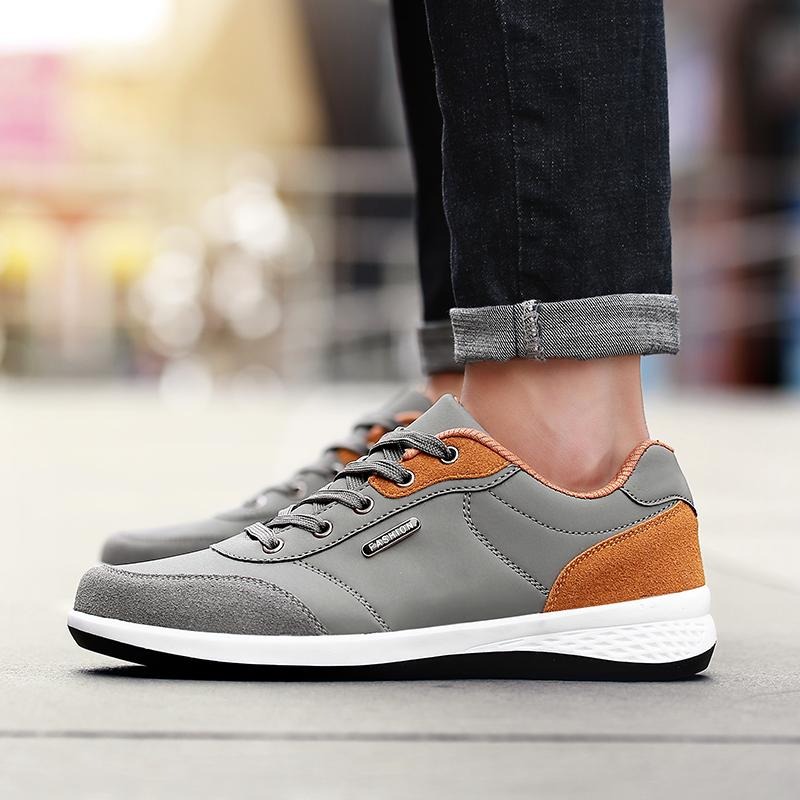
When integrating formal sports footwear into business attire, style and subtlety are key. Here are some practical tips for a seamless blend:
Choose Neutral Colors
Select formal sports footwear in black, brown, gray, or navy. These colors are classic and match most business wardrobes easily.
Opt for Simple Designs
Look for shoes with minimal branding and sleek lines. Excessive details or bright logos can appear too casual.
Prioritize Fit and Proportion
Ensure your shoes fit well and complement your outfit’s proportion. Bulky shoes can offset the balance of your attire.
Match with Tailored Pieces
Pair your shoes with well-fitted trousers and blazers. Tailoring elevates the overall look, making it office-appropriate.
Maintain Grooming Standards
Keep your formal shoes clean and in good condition. Scuffs or dirt can detract from their sophistication.
Coordinate with Accessories
Match your shoes with other accessories, like belts or bags, for a put-together look.
Balance with Classic Elements
Mix the modern touch of the shoes with timeless pieces like a classic white shirt or a simple, structured dress.
Experiment with Socks
Choose socks that complement both the shoes and the attire. Subtle patterns or solid colors work well.
By following these styling tips, you can confidently wear formal shoes within a professional setting. This footwear brings comfort to the traditional business look, without compromising elegance or formality.
The Future of Formal Footwear: Predictions and Trends for Beyond 2025
The formal sports shoes sector continues to evolve rapidly. Here’s a glimpse into the future and the trends that will shape formal footwear beyond 2025:
Emphasis on Customization
The move towards personalized fashion will grow stronger. Customers will expect shoes tailored to their fit and style preferences.
Technological Integration
Footwear will become smarter. We might see shoes with embedded sensors to track health metrics or posture.
Sustainable Practices as Standard
Eco-friendly production will become a norm, not just a trend. Brands will prioritize green materials and processes.
Versatility in Design
Designers will focus on creating shoes that transition from day to night. Shoes will provide comfort for various occasions without a style compromise.
New Materials on the Horizon
Innovation in materials will introduce fabrics that are even more comfortable, durable, and sustainable.
Digital Sales Platforms
Online fitting and sales will dominate. Virtual reality could offer ‘try-before-you-buy’ experiences.
Shift in Workplace Attitudes
As remote work becomes more prevalent, the demand for ultra-comfortable, yet presentable shoes is likely to surge.
Health-Oriented Footwear
Well-being will become a pivotal factor. Shoes will boast features that promote foot health and overall wellness.
Overall, the future of formal footwear looks bright and promising. It is poised to combine the best of elegance, technology, and personal well-being. Expect to see groundbreaking innovations as standard offerings in the market for formal sports shoes.