
The Importance of a Reliable Outdoor Belt
When you venture into the great outdoors, gear can make or break your experience. A reliable outdoor belt is essential. It ensures that your equipment is secure and accessible. For hikers, climbers, and campers, this can mean the difference between safety and risk.
An outdoor belt is not just a tool to hold up your pants. It serves various functions according to the activity. For example, it can be a quick attachment point for gear. Or, it can stabilize a heavy pack. It might even transform into an emergency tool in a survival situation.
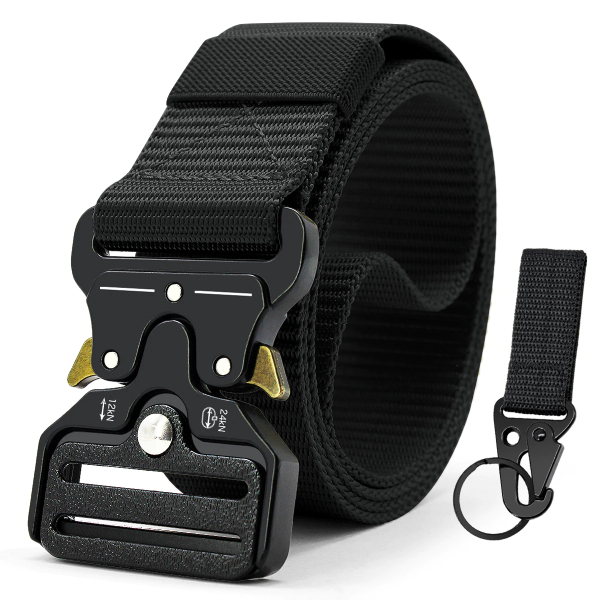
A belt’s durability directly affects its reliability. A high-quality outdoor belt can withstand harsh conditions without fail. This is crucial when facing unpredictable weather or rugged terrain. A belt that fails during a critical moment could jeopardize your adventure. That’s why investing in a well-made outdoor belt is a wise decision for any outdoor enthusiast. Choosing a sturdy outdoor belt with a Smith and Wesson belt buckle not only enhances your style but also ensures reliability in tough conditions, making it an essential accessory for any outdoor adventure.
Finally, comfort matters. A reliable belt balances durability with comfort. It should fit well and not hinder movement. A good outdoor belt adds to your outdoor experience. It should never be the cause of discomfort or distraction.
In summary, a reliable outdoor belt holds your gear, might save a life in emergencies, stands up to tough conditions, and provides comfort. It’s a small piece of gear with a big role in your adventures.
Key Features to Look for in Outdoor Belts
When choosing an outdoor belt, certain key features should guide your selection. These features are not just about aesthetics but about practicality and versatility in outdoor settings.
Durability
Look for belts made from strong materials that resist wear and tear. Durability ensures that your belt can handle the rigors of outdoor use. A sturdy buckle mechanism is also a sign of a durable belt.
Adjustable Fit
An adjustable design is crucial. It allows you to find the perfect fit regardless of clothing layers. A good belt offers easy adjustability without slipping during activities.
Lightweight Design
A heavy belt can be a burden. Opt for lightweight models that won’t weigh you down as you move.
Quick-Release Buckle
In emergency situations, a quick-release buckle can be a lifesaver. It enables fast removal of the belt when needed.
Added Features
Some belts come with extra features like loops for attaching gear or integrated tools. These additions can enhance convenience and functionality in the wild.
Comfort
A belt that pinches or chafes can ruin your outing. Look for belts that are wide enough for comfort yet slim enough to not be bulky.
Selecting an outdoor belt with these features in mind will ensure that it meets the demands of your adventures. Remember to balance these attributes with the specific requirements of your outdoor activities.
Top Materials for Durable Outdoor Belts
Choosing the right material for your outdoor belt is vital. The material determines how well the belt performs in tough conditions. It affects durability, weight, and comfort. Here are the top materials to consider for a durable outdoor belt:
Nylon
Nylon is a popular choice because it’s strong and lightweight. It is resistant to water and abrasion, ideal for harsh outdoor activities. Nylon belts often come in adjustable designs, adding to their versatility.
Polyester
Polyester belts are also durable and resist fading and stretching. They dry quickly, making them suitable for wet environments. Their strength ensures your gear stays secure.
Full-Grain Leather
For a classic look, full-grain leather is unmatched. It’s the highest quality leather, known for its longevity and ability to look better with age. However, it may require more care than synthetic materials.
Webbing
Webbed materials offer excellent strength-to-weight ratios. Belts made from webbing are often used in climbing due to their reliability and capacity to hold equipment.
Cordura
Cordura is a type of nylon known for its durability and resistance to tears and scuffs. Its rugged nature makes it a top choice for outdoor belts that face extreme wear.
TPU-Coated Fabrics
Thermoplastic polyurethane (TPU)-coated fabrics are waterproof and resist oil and UV damage. This material is great for belts that need to withstand variety of outdoor conditions.
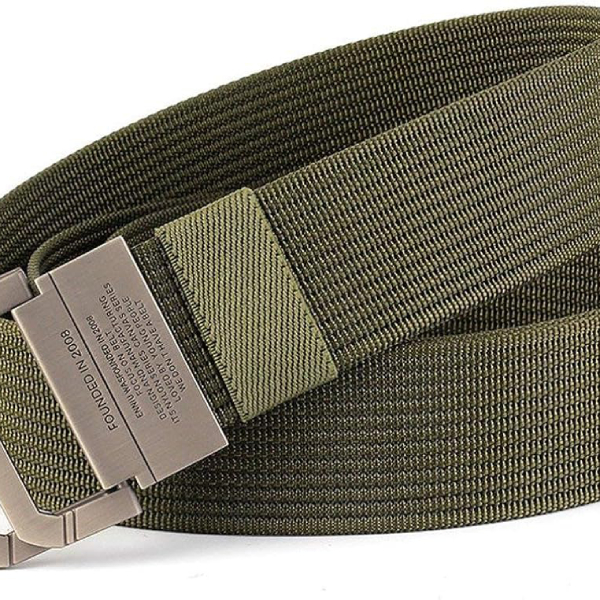
When selecting an outdoor belt, consider these materials and how they align with your activities. Match the material to the environment you’ll be exploring to ensure the maximum lifespan of your gear.
How to Choose the Right Size and Fit
Choosing the correct size and fit for your outdoor belt is just as important as the material and design. A well-fitted belt provides comfort and security without restricting movement. Here are a few tips to ensure the right fit:
Measure Your Waist
Use a tape measure to get the size of your waist. Measure over the clothing you’ll typically wear when outside. This gives you a base size to start with.
Check for Adjustability
Select a belt that offers ample adjustability. This allows for changes in clothing layers or weight fluctuation.
Try it on with Gear
If possible, try the belt on while wearing your outdoor gear. This tests if the belt fits well with your setup and doesn’t slip.
Look for Flexibility
Make sure the belt allows for a full range of motion. Flexibility is key so it doesn’t hinder your activities.
Consider the Buckle Size
A bulky buckle might be uncomfortable. Choose a belt with a buckle that lies flat and doesn’t dig into your stomach.
By following these steps, you’ll find an outdoor belt that fits well and enhances your outdoor adventures.
Innovative Outdoor Belt Designs
Innovation in outdoor belts is keeping pace with the need for high functionality and adaptability. As innovation drives the outdoor market, even leather belt mens options are evolving, offering enhanced functionality and adaptability for outdoor enthusiasts seeking both style and utility. Manufacturers are rethinking belt design to offer more to the outdoor lover. Here are some inventive features you should look for:
Multi-Purpose Utility
New belt designs come with built-in multi-tools. These may include knives, bottle openers, or even fire starters.
Survival Elements
Some belts are equipped with hidden compartments. Here you can store survival items like fishing hooks, threads, and needles.
Eco-Friendly Materials
Belt makers now use recycled or sustainable materials. This is to lessen the environmental impact.
Smart Belts with Technology
There are belts with added tech features like GPS trackers or emergency beacons.
Modular Accessories
Look for belts that let you attach or remove pouches and gear as needed. This increases versatility.
Magnetic Buckles
Buckles with magnetic locking systems offer easy, single-handed operation while ensuring a secure hold.
Innovative outdoor belts enhance your comfort and readiness in nature. Embrace these designs for a seamless outdoor experience.
Best Outdoor Belts for Different Activities
Selecting the best outdoor belt involves matching your belt choice to your specific activities. Whether you’re hiking, rock climbing, fishing, or embarking on a different adventure, there’s a belt that fits your needs. Here’s a guide to choosing the best outdoor belts for different outdoor activities:
Hiking
A belt for hiking should be lightweight and have a comfortable fit. Look for belts with an adjustable design that won’t weigh you down on long treks.
Rock Climbing
Climbers need belts with strong webbing. Choose one with gear loops to hold carabiners and quickdraws. A low-profile buckle won’t interfere with your harness.
Fishing
Belts for fishing should resist water and have a quick-release buckle. Durable materials like nylon will withstand the aquatic environment.
Camping
A sturdy belt with extra features, like an integrated multi-tool, can be handy in the great outdoors. Select a belt with loops or pouches for attaching gear.
Trail Running
Runners require a belt that stays put without bouncing. A slim design with an elastic fit offers both comfort and secure positioning.
Travel
For those who love outdoor travel, pick a belt with hidden compartments. Store your essential items securely and discreetly.
Tactical Training
A heavy-duty belt with a strong buckle system is ideal for tactical activities. Look for reinforced attachment points for holsters or other gear.
Winter Sports
Choose an outdoor belt that can fit over bulky winter clothing. Materials that resist freezing temperatures are essential.
In each case, ensure the outdoor belt you select has the durability, comfort, and features to enhance your experience in the activity of your choice. The outdoor belt is a small but essential part of your adventure gear, ensuring safety and convenience across multiple scenarios. When choosing your gear for outdoor adventures, don’t overlook the importance of a coral belt, as it combines durability and comfort, enhancing your overall experience while ensuring safety and convenience in various scenarios.
Maintaining Your Outdoor Belt for Longevity
To keep your outdoor belt in top condition, regular maintenance is key. Here’s how to care for it effectively.
Clean Regularly
After each use, wipe your belt with a damp cloth to remove dirt and grime. For stubborn stains, use a mild soap solution. Avoid harsh cleaners that can damage the belt’s material.
Dry Properly
Never store your belt wet. Hang it up to air dry away from direct heat or sunlight, which can degrade the material over time.
Store Correctly
When not in use, store your outdoor belt in a cool, dry place. Roll it up loosely to prevent creases or damage to the buckle.
Inspect for Wear
Check your belt regularly for signs of wear, especially around the buckle and adjustment holes. Early detection of damage can prevent belt failure during crucial moments outdoors.
Follow Manufacturer’s Care Instructions
Each belt may have specific care guidelines based on the material. Always follow the manufacturer’s instructions for the best results.
By taking these steps, you extend the life of your outdoor belt, ensuring it’s ready for your next adventure. Remember, a little care can go a long way in preserving the functionality and appearance of your essential outdoor gear.
Where to Buy Quality Outdoor Belts
Finding a quality outdoor belt means knowing where to shop. Here are some tips to help you find the best place to purchase the belt that meets your adventure needs.
Online Outdoor Retailers
Online stores specializing in outdoor equipment offer a wide selection of belts. Check customer reviews to gauge reliability and performance.
Local Outdoor Shops
Visit local outdoor shops where you can try on different belts. Staff can offer advice based on your activities.
Specialty Climbing or Hiking Stores
These stores have experts who understand the needs of climbers and hikers. They provide robust belts tailored to these activities.
Sporting Goods Stores
General sporting goods stores carry outdoor belts. They may have sales or discounts on quality gear.
Manufacturer Websites
Buy directly from manufacturers. Many offer detailed product information and customer support.
Outdoor Trade Shows
Trade shows showcase the latest in outdoor gear. You can find innovative belt designs not yet available in stores.
Make sure to choose a retailer that provides good customer service and a return policy. This adds security to your purchase should you need to make a return or exchange. Remember the importance of a reliable outdoor belt for your adventures, and choose a retailer that understands and caters to your specific outdoor needs.